The play was translated from Spanish by Agnė PULOKAITĖ
Marco Layera, a director, actor, acting teacher, and founder of “La Re-sentida” from Chile, will stage his first production in Lithuania. His work has been presented at the most renowned international theater festivals, including the Avignon Festival. At the Teatro Municipal de Las Condes Young Theaters Festival, Marco Layera was awarded the prize for best play; he has also received the Eugenio Guzmán Award from the University of Chile and was nominated for the Chilean arts prize Premio Altazor a los Artes Nacionales.
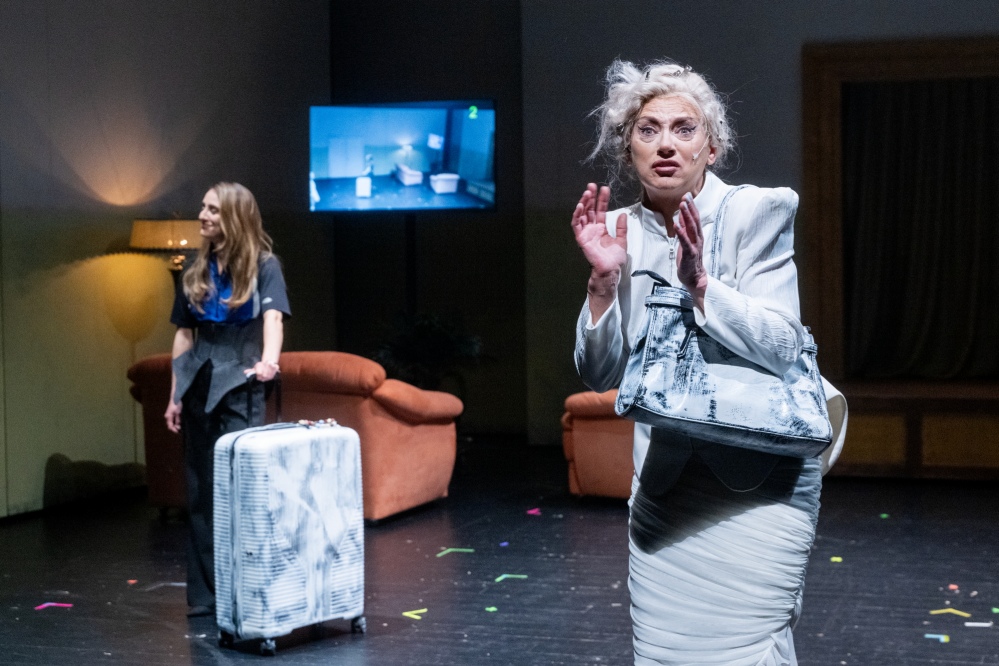
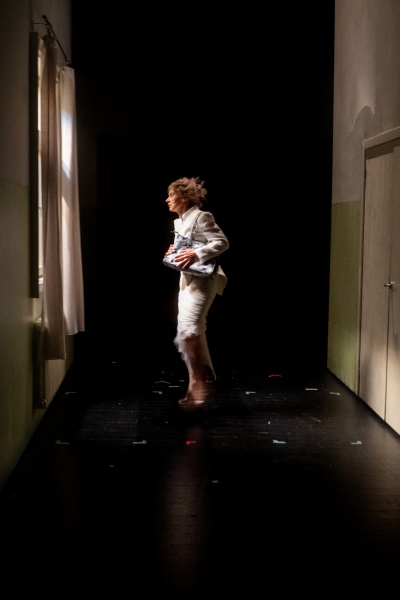
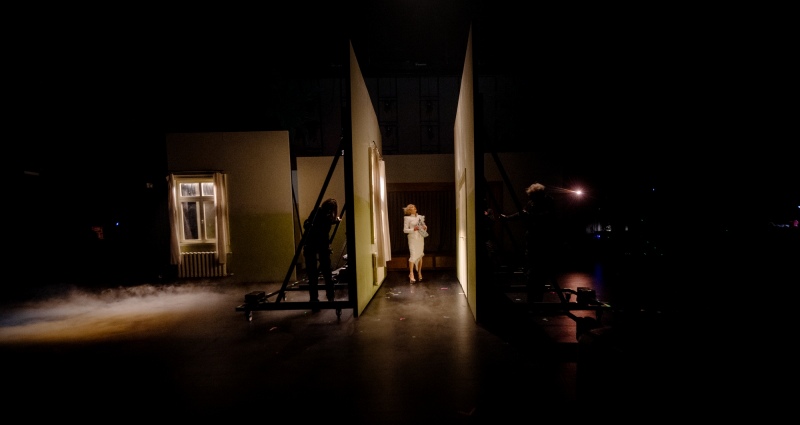
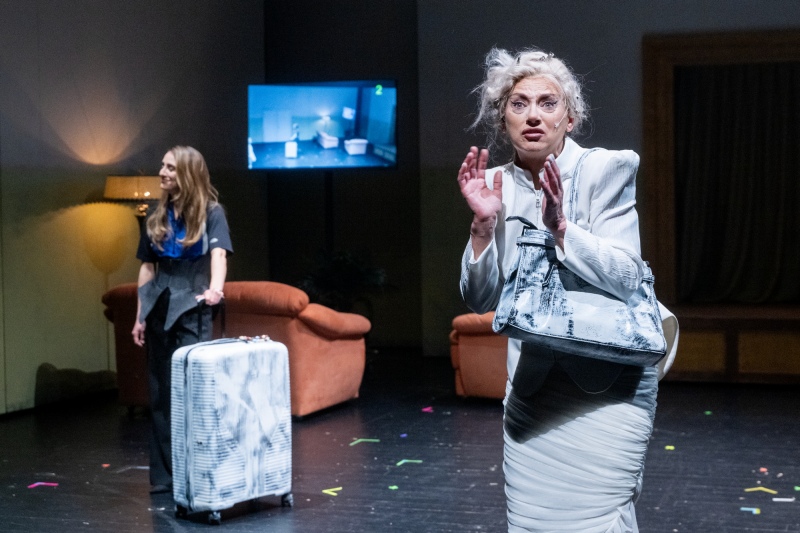
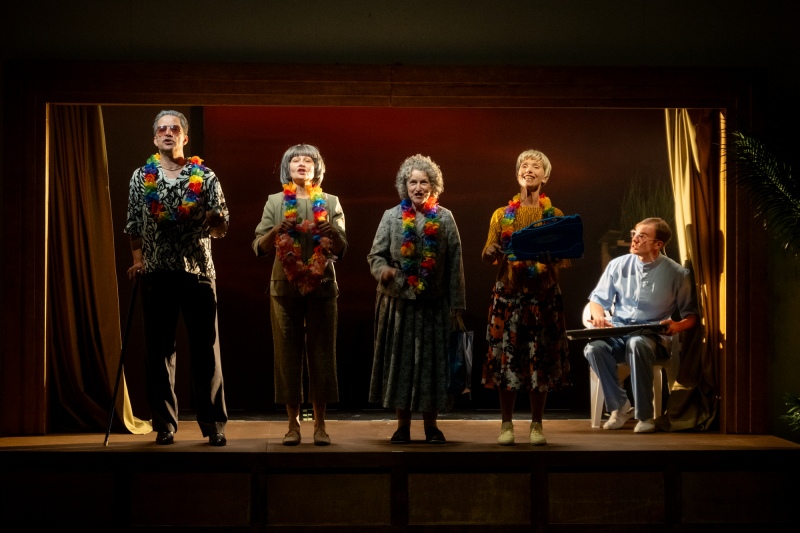
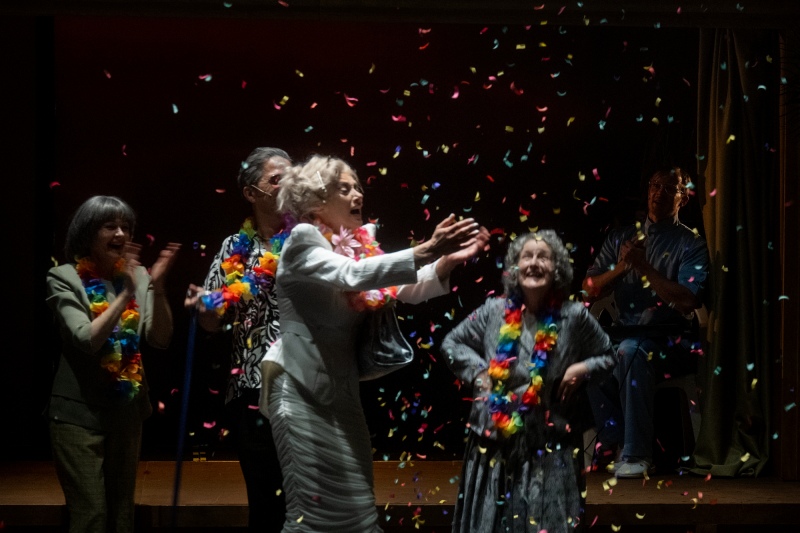
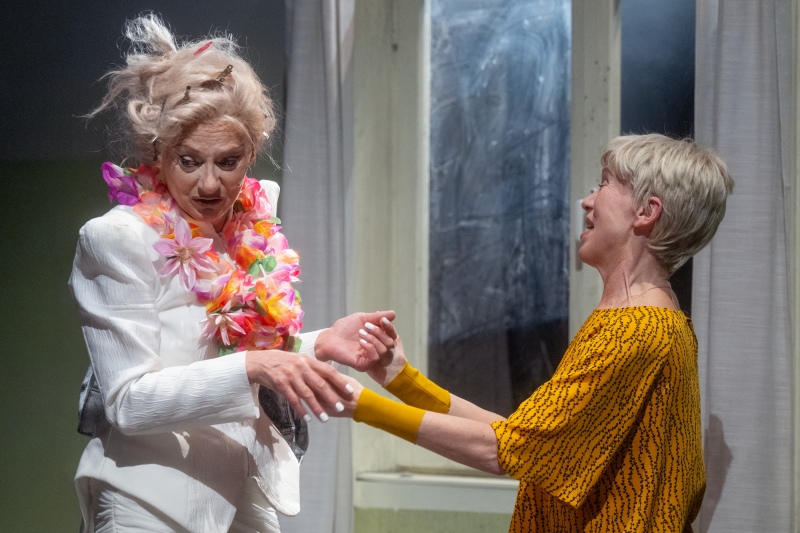
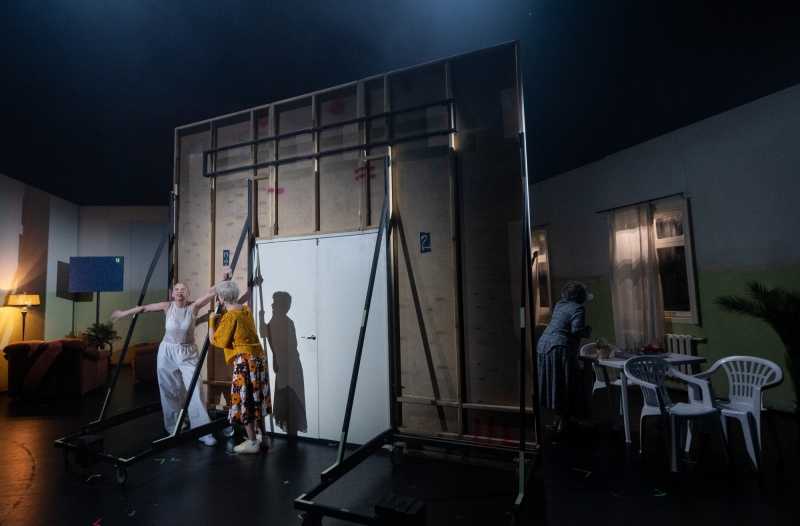
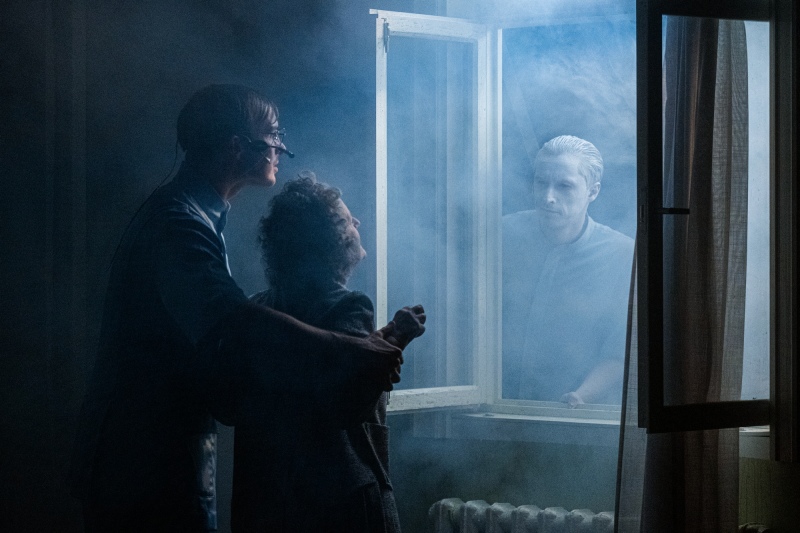
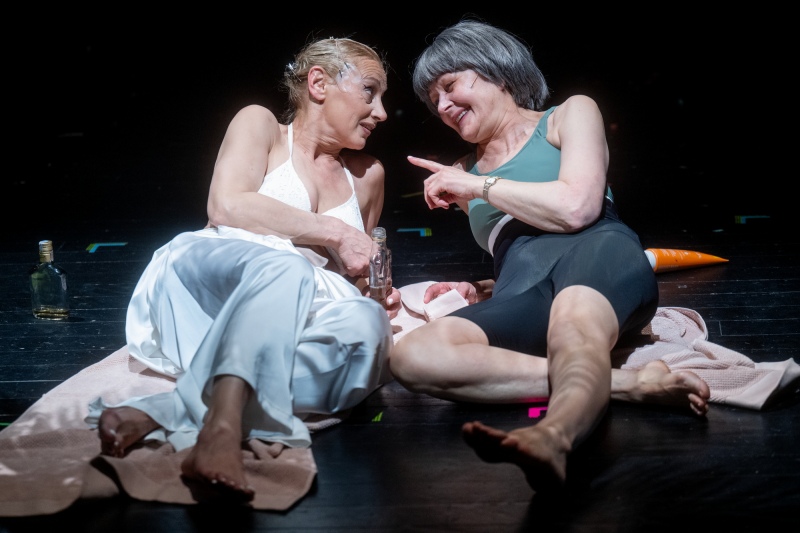
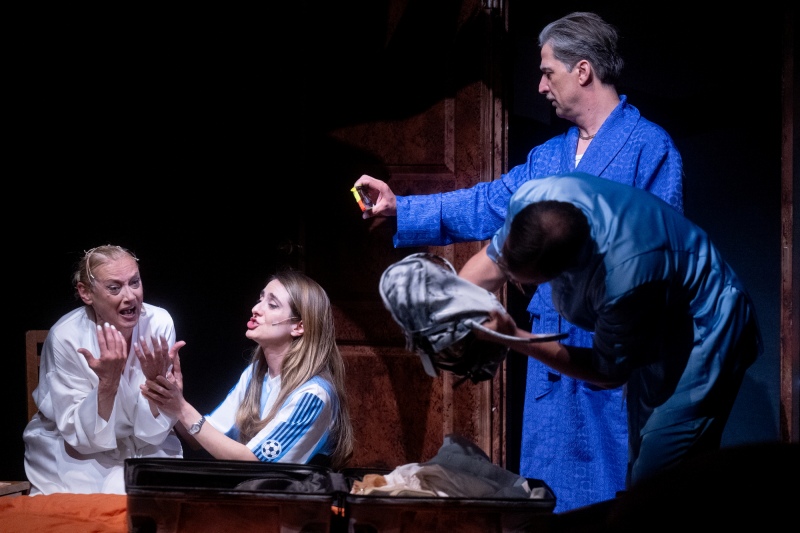
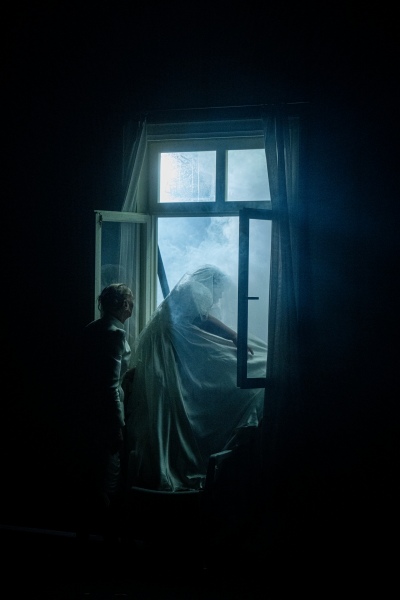
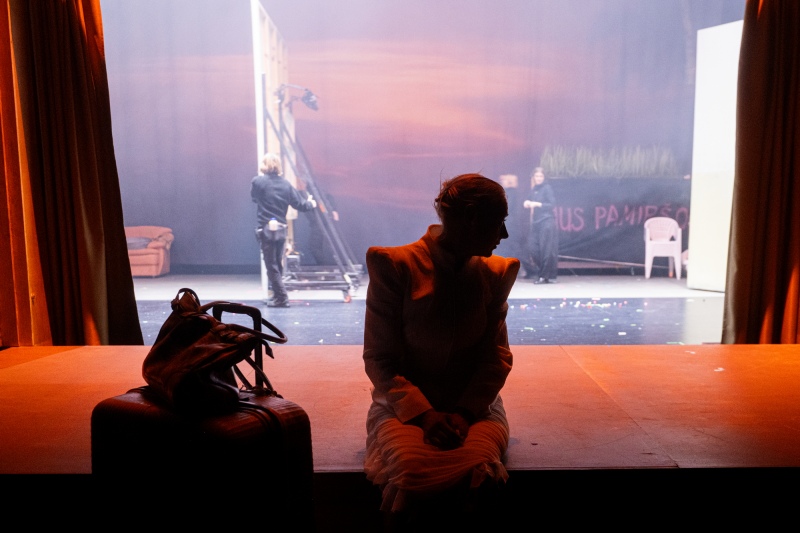
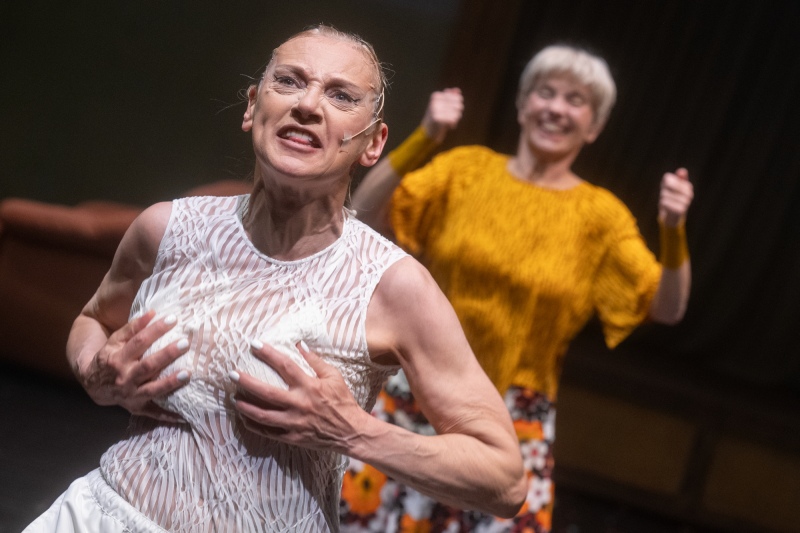
In this production, based on a play by fellow Chilean Juan Pablo Troncoso and inspired by Tennessee Williams’ "A Streetcar Named Desire", the main character, Blanche (played by Vitalija Mockevičiūtė), returns to the unbearably stifling heat of Lithuania after a failed life in one of Europe’s major capitals. She returns from Berlin reluctantly, hiding her artistic failure. Her progressive ideas clash with the stagnant, conservative landscape of her hometown like a wall, embodied by her beloved sister (actress Dalia Michelevičiūtė), who recently married a man living in a nursing home (actor Algirdas Gradauskas).
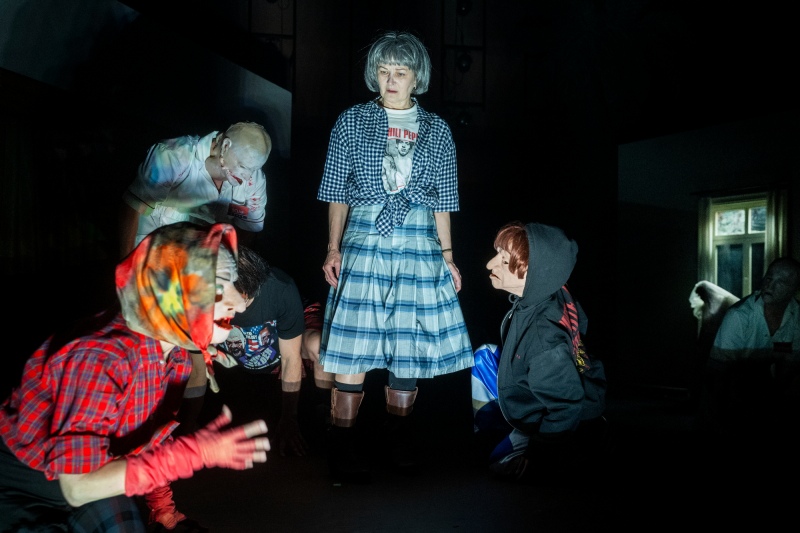
The main character’s ambitious dreams of becoming a famous artist have not come true; she is back in Eastern Europe, not Western Europe, weighed down by the passage of time, irritated by her aging body, and plagued by a sense of uselessness, while her daughter (actress Augustė Ona Šimulynaitė) is still in the process of shaping her own dreams; she wants to be a famous stand-up comedian. The young woman cracks jokes about her family and her mother, mocking regions even further east than Lithuania.
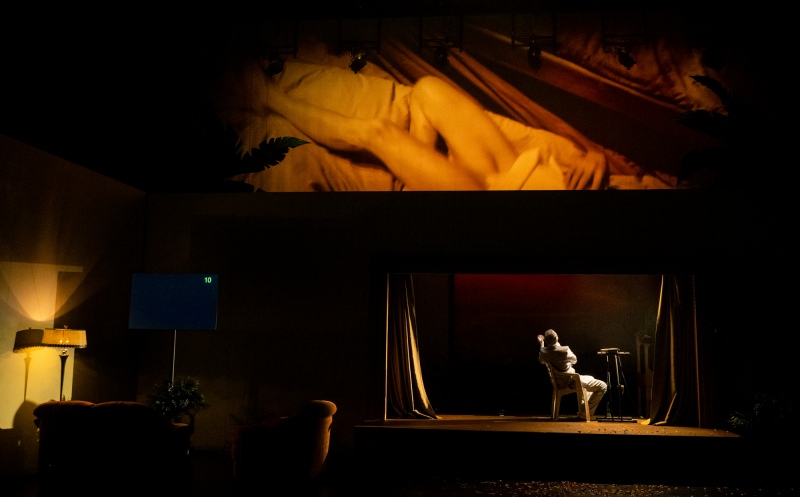
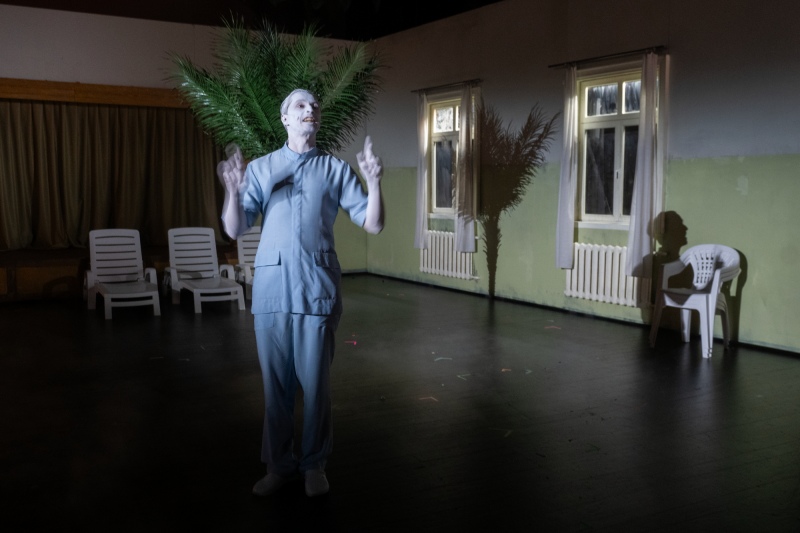
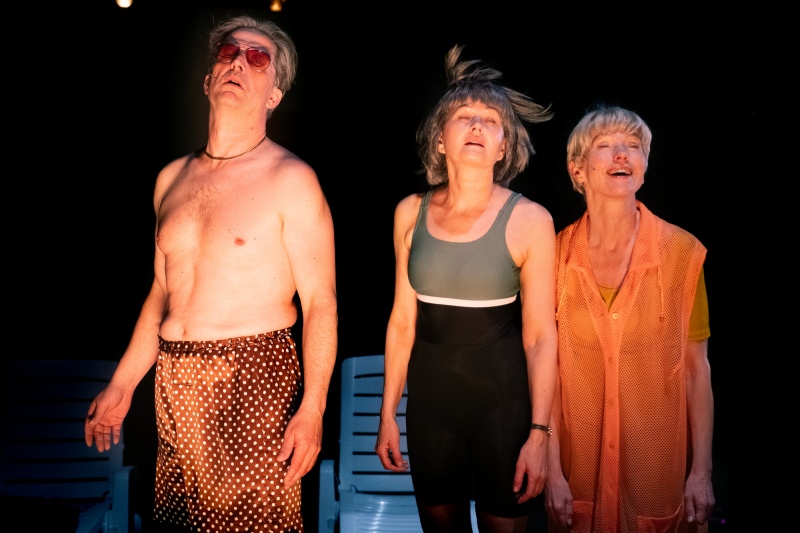
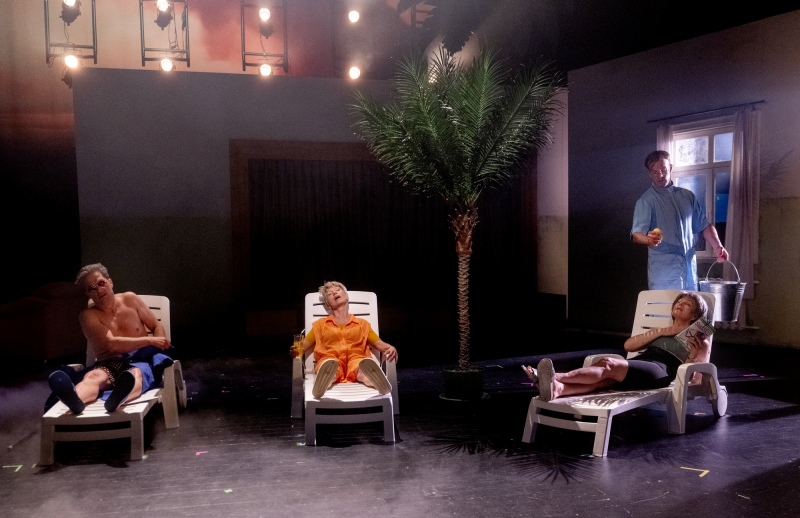
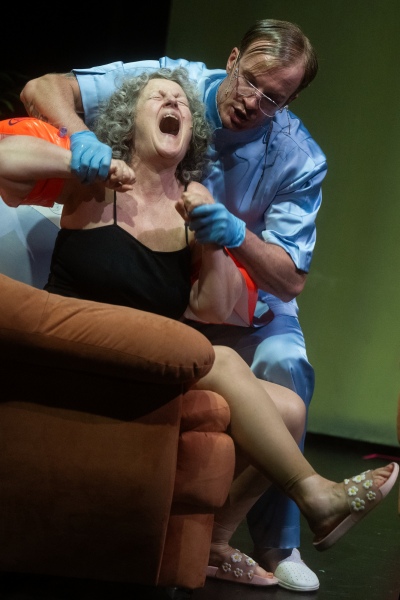
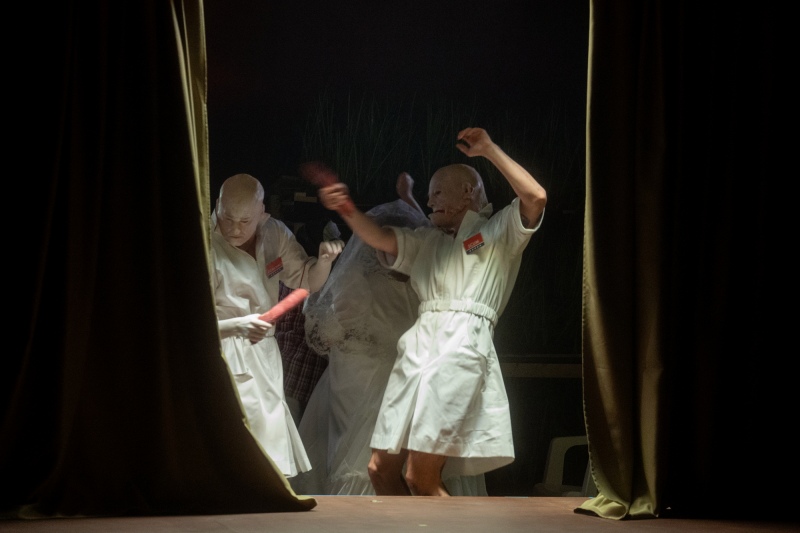
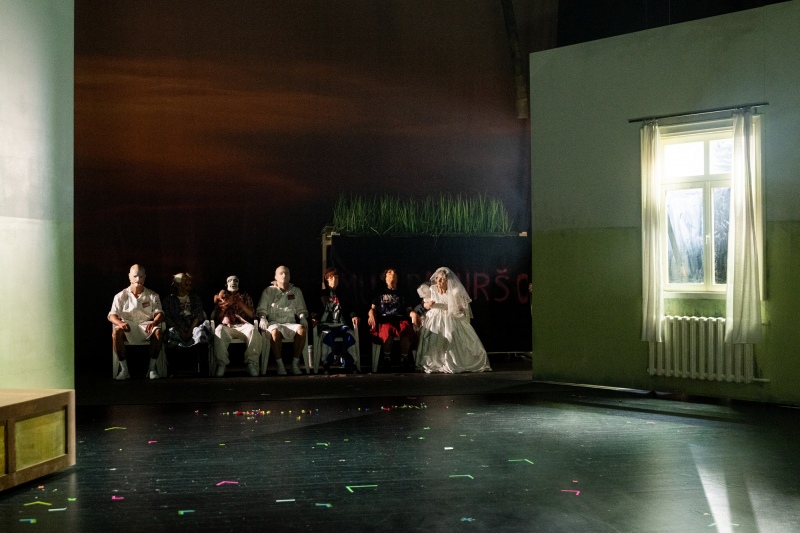
The action of this play, brimming with irony, unfolds in a nursing home suffocated by the heat—here, the characters confront not only physical vanishing and loneliness, but also desires, fantasies, and delusions, and talk of a recently deceased healthcare worker speaks to the harsh and difficult reality of nursing work.
A heat wave is more than a meteorological phenomenon: it is an emotional state, a social symptom, unbearable tension. Bodies heat up, memories flare, secrets begin to evaporate. The fans barely work, and sweat silently trickles down their faces.
The performance is a meditation, at times painful, at times comical, on promises that were never fulfilled; it is a reflection on family ties, the current obsession with youth and novelty, the difficulties of caregiving, and abandonment. The work speaks of bodies that the modern world has learned to consume and forget. Western and Eastern Europe are depicted here as two remnants of a ravaged world—ruins from which nothing new will ever emerge.